
Ground Cover Suited to Native Plantings
Pine Needle Installation in Jamestown for shade gardens and acid-loving understory plantings
Pine needle mulch maintains soil acidity, allows better water infiltration than shredded mulch, and visually complements native understory plantings common to Piedmont landscapes. Properties with mature pine or oak canopies benefit from ground cover that matches the natural litter layer rather than introducing foreign materials that alter soil chemistry or appearance. Bowie's Outdoor Services sources quality pine needle material and installs it around shade-loving plantings, foundation beds, and naturalized garden areas across Jamestown, High Point, and the broader Piedmont Triad. The work focuses on proper installation depth, integration with existing root systems, and placement that supports plant health without disturbing soil structure.
Installation involves preparing beds by removing debris or incompatible mulch, sourcing fresh pine needle material that hasn't begun decomposition, and applying depth suited to plant types and drainage conditions. Pine needles interlock naturally, which keeps them in place during rain and wind better than loose shredded mulch, particularly on sloped terrain common to this region.
Arrange a site consultation to evaluate canopy type, soil pH, and whether pine needle mulch suits your specific plantings.
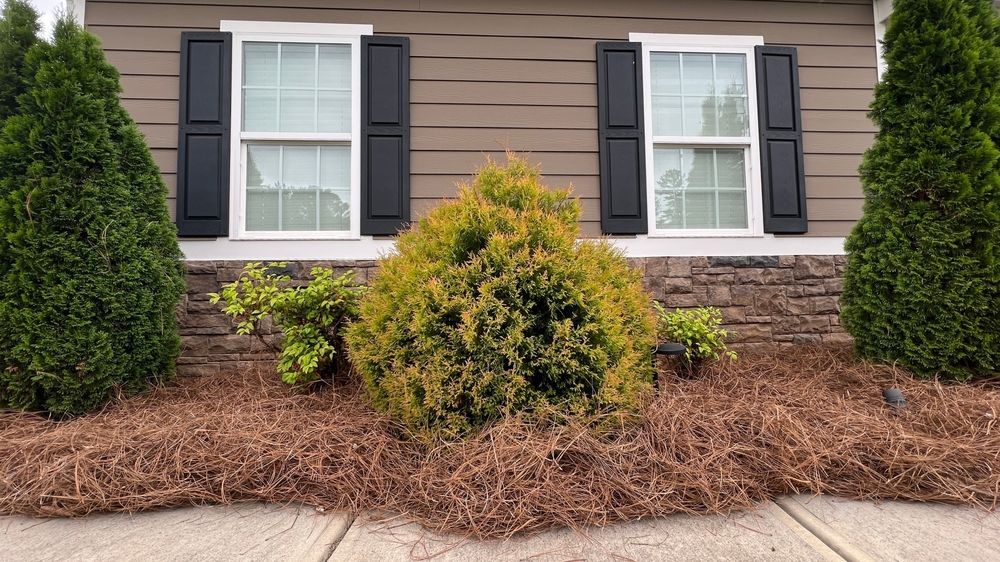
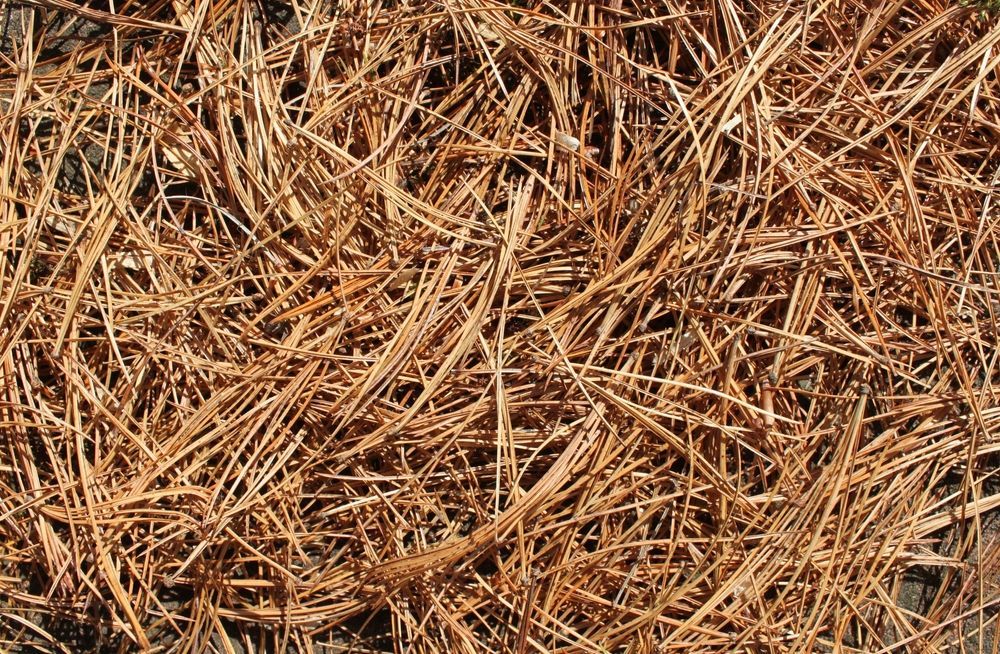
What Pine Needle Mulch Actually Accomplishes
Pine needles decompose slowly and release mild acidity as they break down, which benefits azaleas, rhododendrons, ferns, and other acid-preferring species common in Piedmont shade gardens. The interlocking structure allows air circulation and water penetration while suppressing weed germination more effectively than loose materials. Unlike shredded hardwood mulch, pine needles don't compact into dense mats that shed water or create anaerobic conditions in clay soil. They also reduce fungal disease pressure in shade plantings by maintaining airflow at the soil surface.
After installation, beds show consistent coverage with a natural appearance that integrates with wooded or naturalized landscape styles. Pine needles stay in place on slopes without washing downhill during heavy rain, and the ground cover doesn't require frequent replenishment since decomposition is gradual. Shade plantings establish more successfully because soil moisture remains stable without waterlogging, and weed pressure decreases compared to bare soil or thin mulch layers that allow light penetration.
This material choice differentiates premium landscape work from generic mulch application. Pine needle installation requires sourcing quality material, understanding which plantings benefit from acidic ground cover, and applying depth that supports plant health without excessive buildup. Properties with mature tree canopies and design-forward landscaping use pine needles to maintain aesthetic cohesion while supporting understory plant communities that thrive under natural conditions rather than fighting against them.
Questions Before Starting Your Project
Homeowners considering pine needle mulch often ask about material sourcing, compatibility with existing plantings, and how it compares to traditional mulch options.
What makes pine needle mulch different from shredded hardwood or bark mulch?
Pine needles interlock to resist erosion, decompose slowly without forming water-resistant mats, and maintain slight acidity that benefits native understory plantings—shredded mulch compacts more readily in clay soil and may alter pH less predictably depending on wood type.
How is quality pine needle material sourced for installation?
Quality material comes from fresh fall collection before significant decomposition begins, is free of excessive debris or contamination, and consists of long needles that interlock effectively—poor material breaks down quickly and provides minimal weed suppression or aesthetic value.
What depth of pine needles is needed for effective ground cover?
Two to three inches of pine needles after settling provides effective weed suppression and moisture retention without smothering shallow-rooted shade plantings common to Jamestown landscapes—depth may vary based on slope and plant density.
Which plantings benefit most from pine needle mulch?
Acid-loving species like azaleas, camellias, ferns, and native woodland wildflowers thrive under pine needles, as do plantings under established pine or oak canopies where natural litter creates similar soil conditions—alkaline-preferring plants may require different ground cover.
How does pine needle mulch perform compared to other options in terms of cost and longevity?
Pine needles typically cost more per cubic yard than shredded mulch but require less frequent replenishment due to slower decomposition, making long-term costs comparable—longevity and appearance suit properties where landscape quality justifies premium material selection.
Bowie's Outdoor Services installs pine needle mulch for residential properties across High Point, Jamestown, and the Piedmont Triad where mature canopy and native plantings benefit from specialized ground cover. Request a site evaluation to review soil conditions, existing plantings, and whether pine needle installation aligns with your landscape design and maintenance preferences.