
Bed Coverage That Manages Moisture Correctly
Mulch Installation in Jamestown for foundation plantings and landscape beds on properties with clay soil
Clay-heavy Piedmont soil compacts easily and retains moisture longer than sandy or loamy soils, which changes how mulch performs across the growing season. Too little mulch allows weeds to establish and soil to dry out during summer heat, while excessive depth traps moisture against plant stems and promotes rot or fungal issues. Bowie's Outdoor Services installs mulch in Jamestown, High Point, and surrounding areas with attention to material selection, application depth, and placement around hardscape features and tree root zones. The work addresses drainage, weed suppression, and soil health rather than simply spreading bulk material across beds.
Installation begins with evaluating existing bed conditions, removing old mulch or debris if needed, and selecting material type based on soil characteristics and plant requirements. Proper depth application depends on mulch type—shredded hardwood, pine bark, or dyed mulch each break down at different rates and affect soil pH differently, particularly around acid-loving plantings common in local landscapes.
Request an on-site evaluation to determine material type and depth requirements for your specific planting beds.
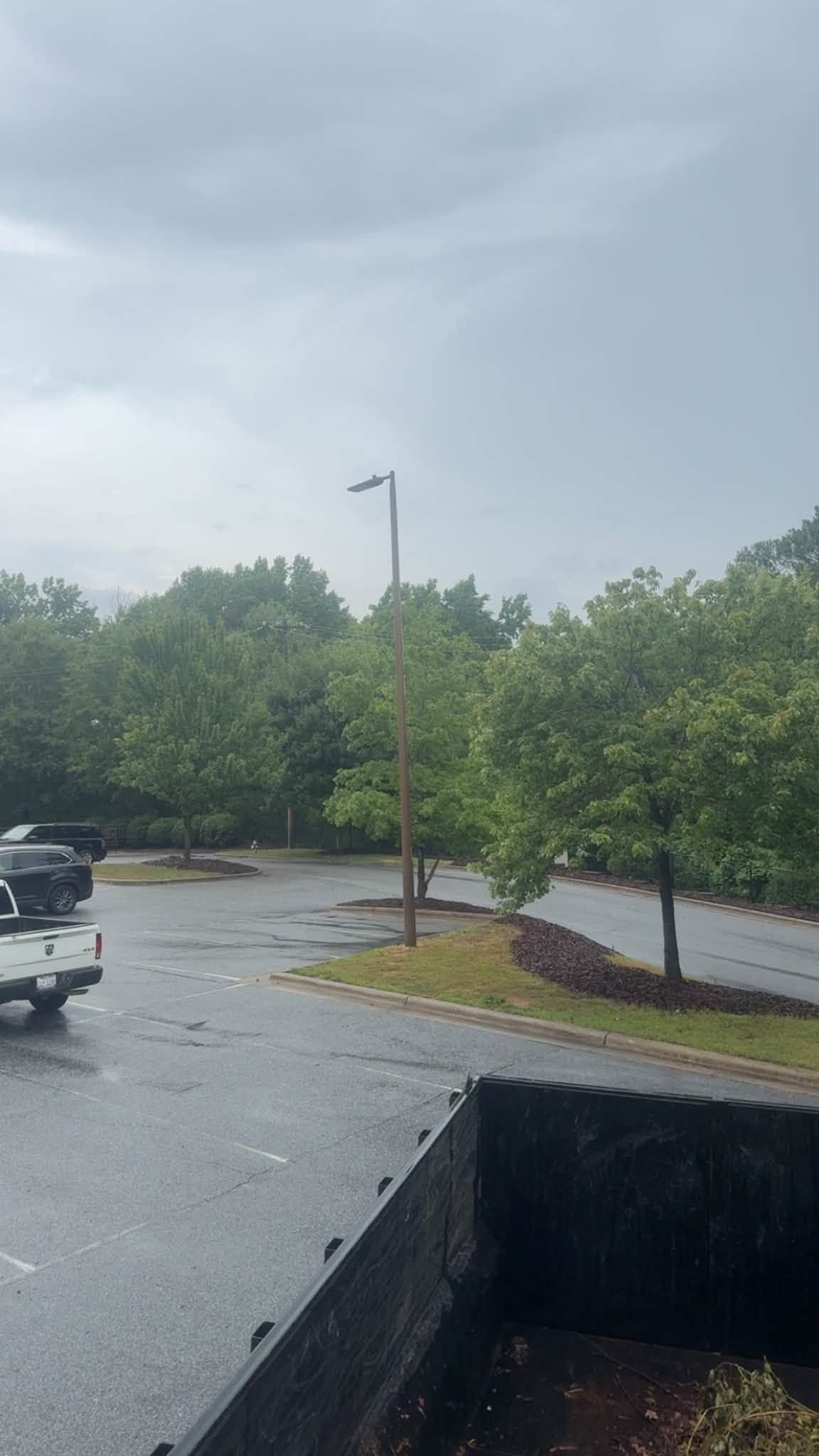
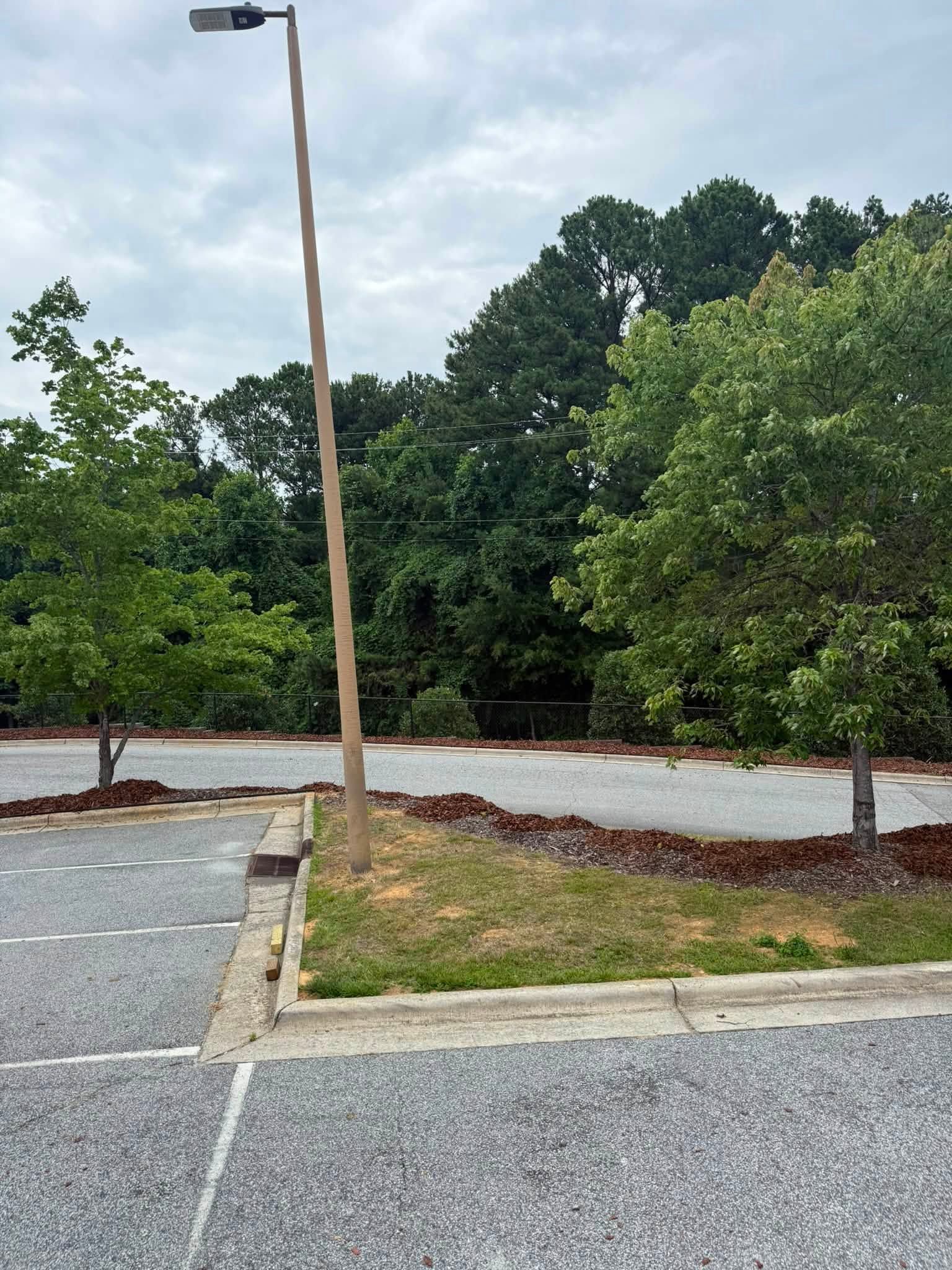
Why Mulch Type and Depth Matter
Mulch serves multiple functions beyond appearance—it moderates soil temperature, reduces evaporation during dry periods, suppresses weed germination, and decomposes to add organic matter over time. In Piedmont clay soil, mulch depth must balance moisture retention with airflow to prevent anaerobic conditions that harm root systems. Application around tree trunks and shrub stems requires careful placement to avoid stem contact, which traps moisture and invites disease or insect damage.
After installation, you'll see uniform coverage across beds without excessive piling near plant stems, clean edges where mulch meets hardscape or lawn areas, and consistent depth that doesn't expose bare soil or smother shallow-rooted plantings. Weed pressure drops noticeably during the first growing season, and soil moisture remains more stable between watering or rainfall events. Well-installed mulch doesn't wash out of beds during heavy rain or settle into uneven layers that create bare spots within months.
Residential properties expect finished-grade mulch work that integrates with landscape design rather than generic bulk application. This involves edging beds before mulch installation, applying consistent depth across varying terrain, and selecting material that complements plantings and architectural features. Proper installation prevents common failures like mulch volcanos around trees, excessive depth that suffocates roots, or insufficient coverage that allows weed breakthrough before the season ends.
What Property Owners Usually Ask
Homeowners managing landscape beds often need clarity on material types, application timing, and how mulch affects plant health beyond visual appeal.
What mulch type works best for Piedmont clay soil?
Shredded hardwood mulch decomposes gradually and improves soil structure without excessive acidity, while pine bark lasts longer but breaks down more slowly—selection depends on whether you prioritize longevity or soil amendment, and whether plantings prefer neutral or slightly acidic conditions.
How much mulch depth is needed for effective weed suppression?
Two to three inches of mulch suppresses most weed seeds without smothering plant roots or creating moisture problems—deeper layers trap excess water in clay soil, while shallow coverage allows weed germination and rapid soil drying during Jamestown's hot summer months.
When should mulch be installed or refreshed?
Installation works best in early spring before weed seeds germinate and summer heat arrives, or in fall after seasonal cleanup—mulch applied during active growing seasons can disturb plantings and creates less effective weed barriers if seeds are already established.
How is mulch applied around trees without damaging roots or trunks?
Mulch should extend to the drip line but remain several inches away from the trunk to prevent moisture accumulation and bark damage—root zones benefit from coverage, but direct trunk contact invites rot, pest activity, and fungal infection.
What's included in professional mulch installation versus DIY spreading?
Professional installation includes bed edging to define borders, old mulch removal or incorporation if needed, consistent depth application across varying terrain, and proper placement around plantings and hardscape—not just bulk dumping that creates uneven coverage or drainage problems.
Bowie's Outdoor Services installs mulch for residential properties across High Point, Jamestown, and the Piedmont Triad where landscape detail and plant health matter. Schedule a consultation to review mulch type selection, bed preparation, and application depth tailored to your soil conditions and planting requirements.