
Plantings That Work With Mature Trees
Decorative Landscaping in Jamestown for properties with established canopy and refined aesthetic standards
Homeowners across Jamestown and the Piedmont Triad favor landscaping that integrates with mature tree canopies rather than competing against them. Homeowners notice that generic seasonal plantings often fail under shade, struggle in clay soil, or look disconnected from the established character of older properties. Bowie's Outdoor Services designs and installs decorative landscaping that accounts for existing trees, Piedmont soil conditions, and the seasonal moisture fluctuations common to this region—creating underplanting and ground cover layers that complement rather than clash with what's already growing.
The process starts with a site consultation to evaluate canopy coverage, soil drainage patterns, and which areas receive sufficient light for specific plant types. Design decisions focus on species selection suited to clay soil and shade tolerance, installation methods that protect existing root systems, and mulch or ground cover application that maintains moisture without waterlogging during wet springs.
Arrange an on-site consultation to review canopy conditions and soil characteristics specific to your property.
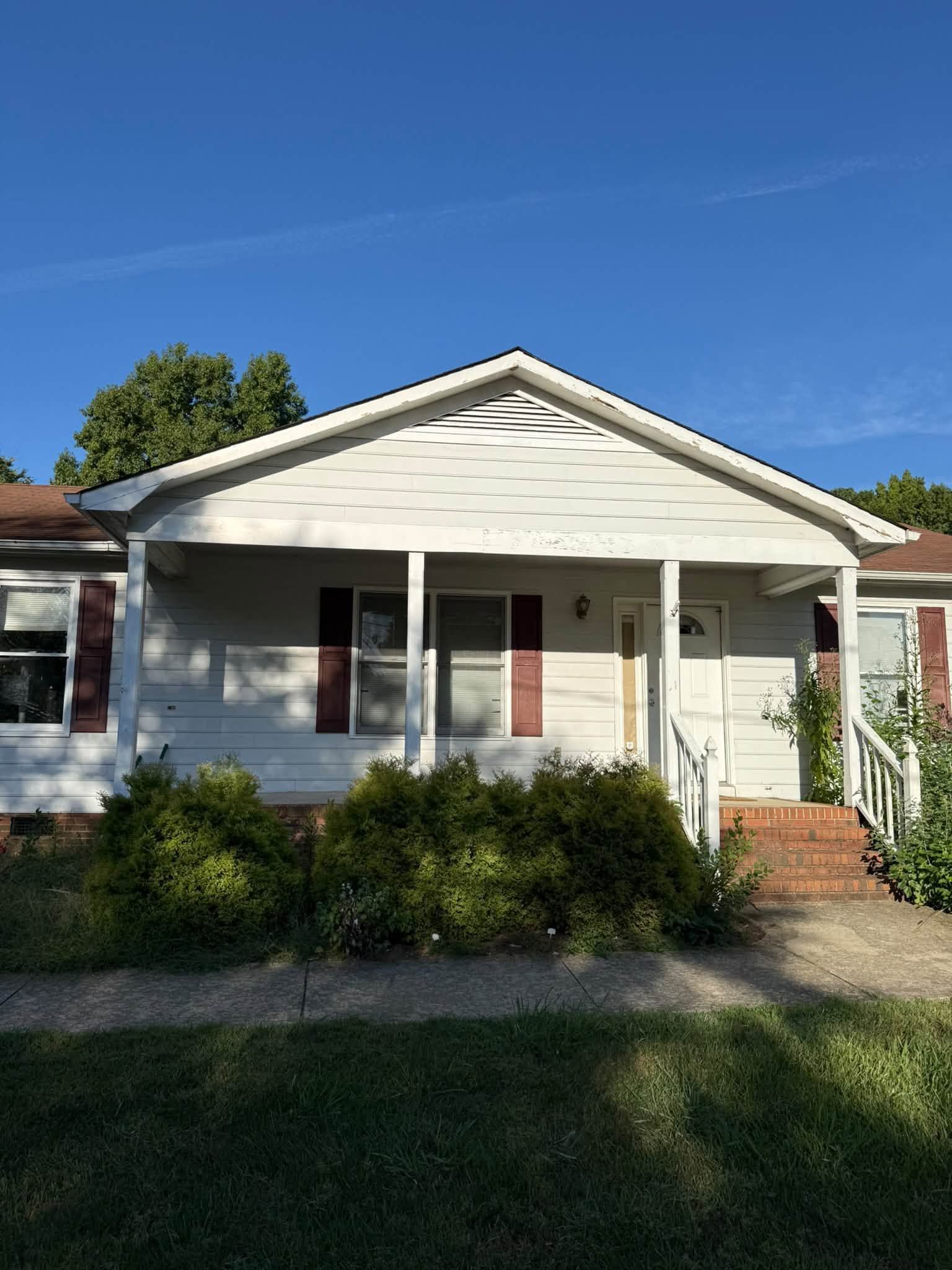
Before
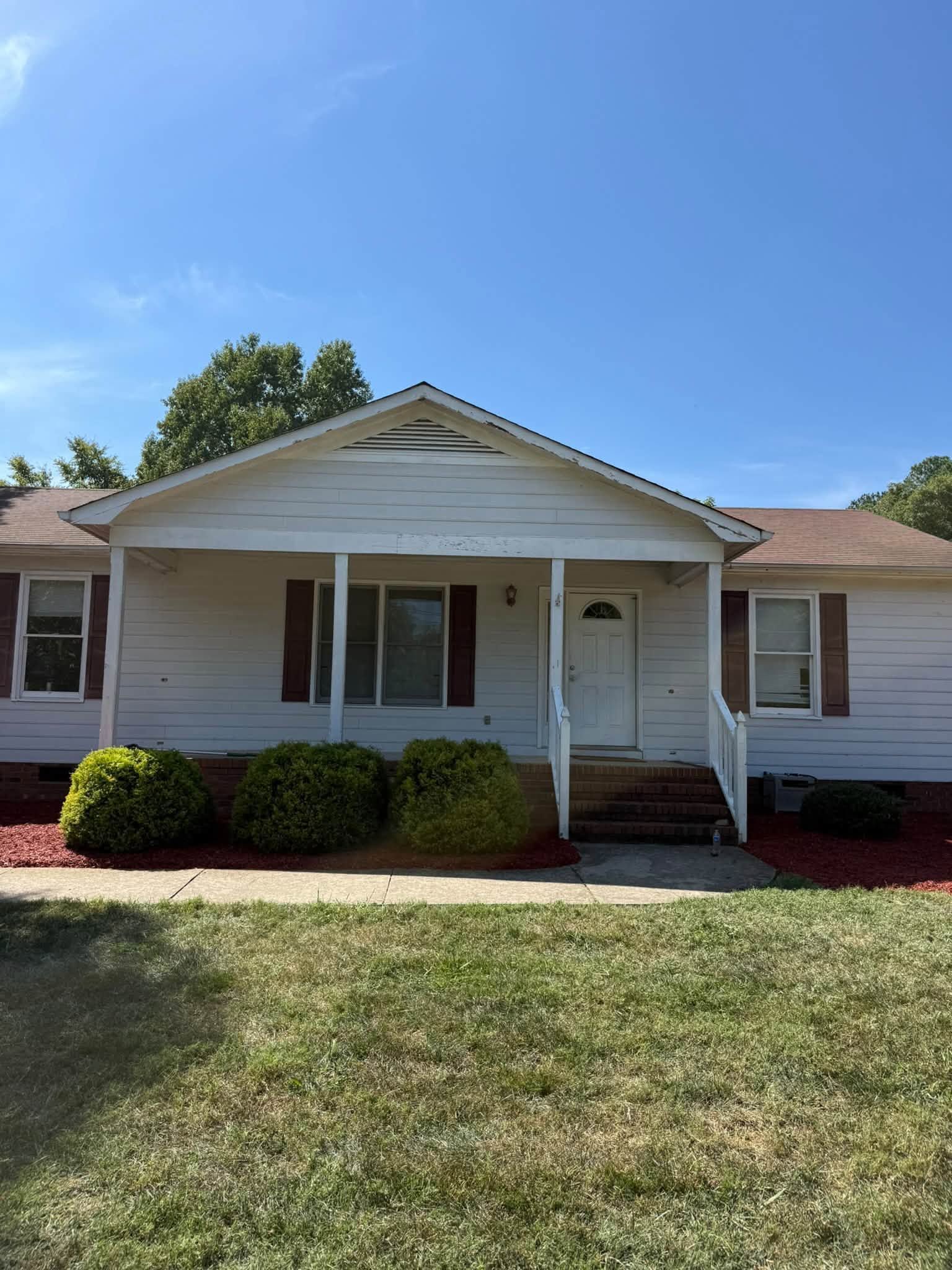
After
How Decorative Landscaping Addresses Shade and Soil Challenges
Successful landscaping under mature trees requires plant selection based on actual light levels rather than catalog descriptions. Most shade-loving species still need filtered light rather than complete darkness, and clay soil in the Piedmont region holds moisture longer than sandy soils, which changes how root systems develop. Bowie's Outdoor Services selects plantings that tolerate shade without becoming leggy, survive periodic drought once established, and integrate visually with the scale of existing trees rather than appearing as disconnected bed islands.
Once installation is complete, you'll see defined planting beds that follow natural drainage contours, mulch layers that suppress weeds without smothering roots, and species placement that accounts for mature size so beds don't become overcrowded within two seasons. The landscaping looks intentional rather than formulaic—ground covers spread without invasive overgrowth, accent plantings provide seasonal interest, and the overall composition respects the established tree canopy instead of fighting it.
Design-focused landscaping differs from maintenance contracts or bulk planting services. This work involves selecting species for long-term performance in specific microenvironments, coordinating installation with tree root zones to avoid damage, and using mulch or decorative rock to define beds while supporting soil health. Properties with mature trees benefit from professionals who understand how shade, root competition, and moisture retention interact rather than applying generic templates.
Answers to Frequent Service Questions
Homeowners in established neighborhoods often need guidance on plant selection, installation timing, and how landscaping integrates with tree work already performed or planned.
What happens during the site consultation?
The consultation evaluates canopy density, measures light levels in proposed planting areas, tests soil drainage to identify compacted zones, and reviews existing vegetation to determine what should be retained or removed before new plantings are installed.
How are plants selected for clay soil and shade conditions?
Selection prioritizes species with documented shade tolerance and root systems adapted to clay rather than relying on general shade plant lists—native understory species and cultivated varieties proven in Piedmont conditions perform more reliably than imports requiring constant amendment.
When should decorative landscaping be installed relative to tree work?
Installation works best after tree removal or pruning is complete so designers can assess final light levels and avoid planting in areas later disturbed by stump grinding or root removal—sequencing prevents replanting and wasted material costs.
What's included in the installation process?
Installation includes bed preparation with soil amendment if needed, plant placement based on mature size and light requirements, mulch or ground cover application to suppress weeds and retain moisture, and integration with existing hardscape features without damaging tree roots.
How does decorative landscaping differ from standard maintenance plantings?
Decorative work emphasizes design cohesion, long-term plant performance, and integration with property features rather than seasonal color rotation or generic foundation plantings—it's suited to properties where landscape quality affects resale value and overall neighborhood curb appeal.
Bowie's Outdoor Services designs decorative landscaping for residential properties across High Point, Jamestown, and Greensboro where mature trees and refined aesthetics require more than formulaic planting. Request a design consultation to review site-specific conditions and planting options tailored to your property's canopy and soil characteristics.